
Over the past three months, something very special has been unfolding in Rome.
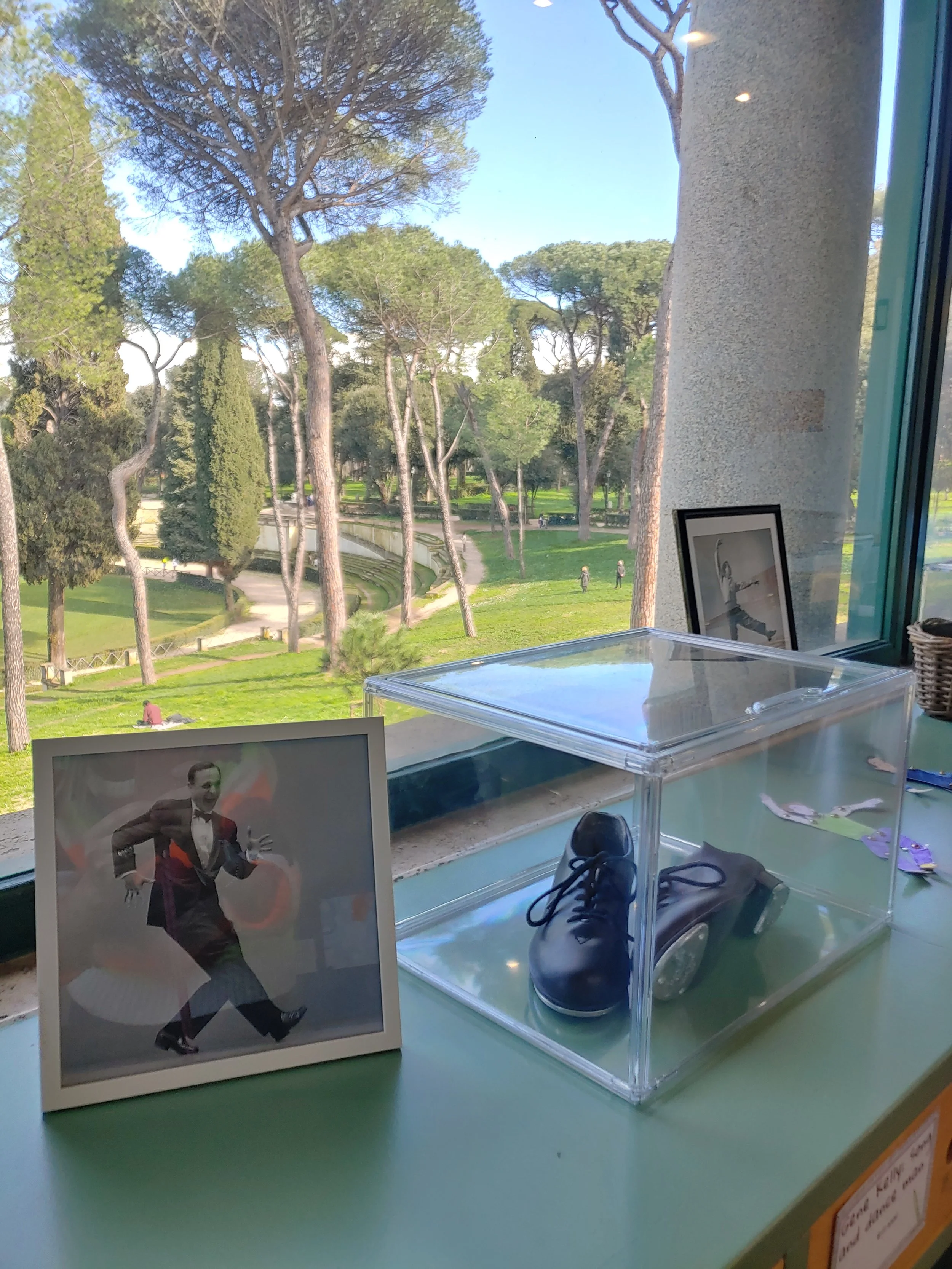
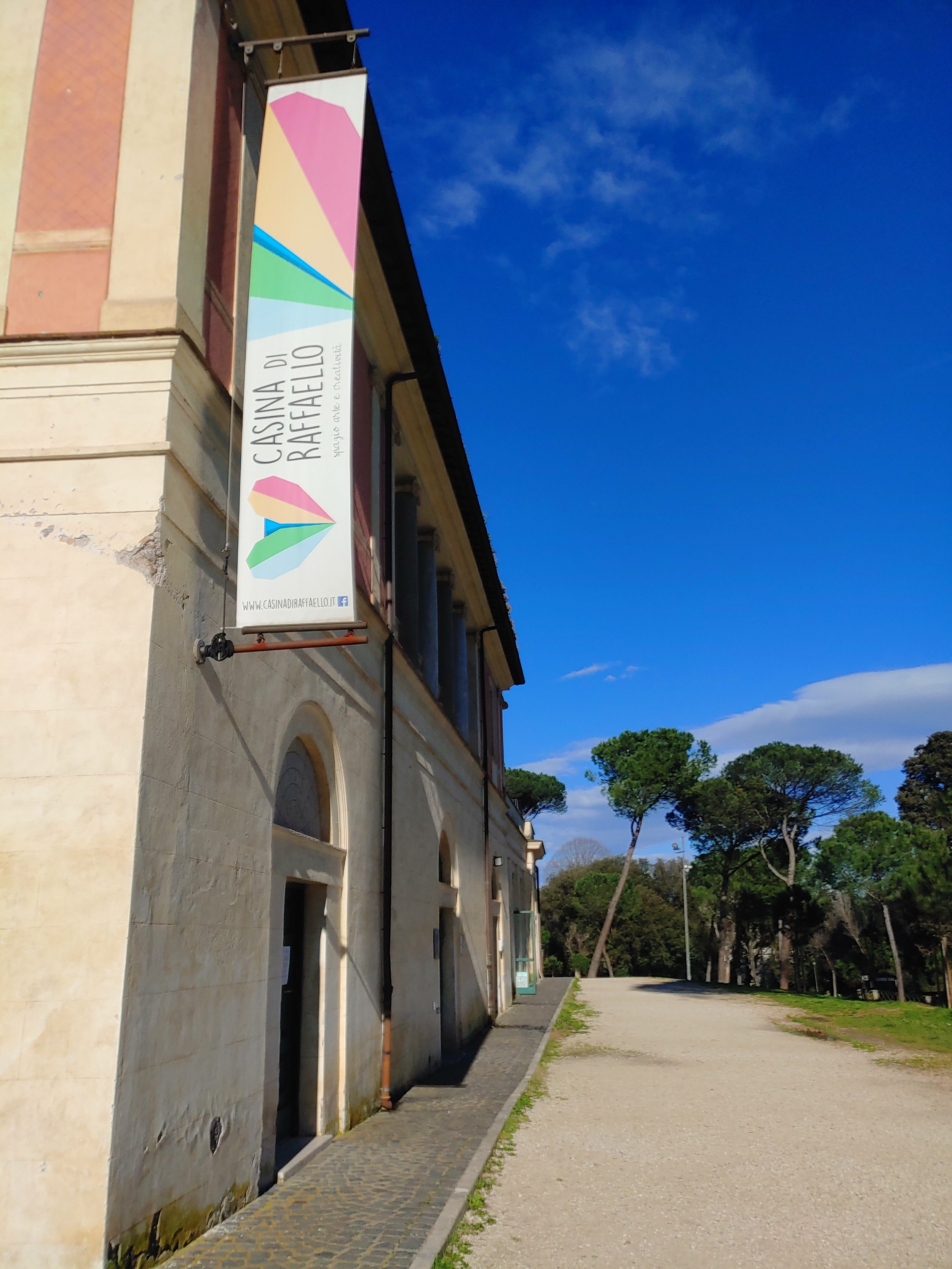
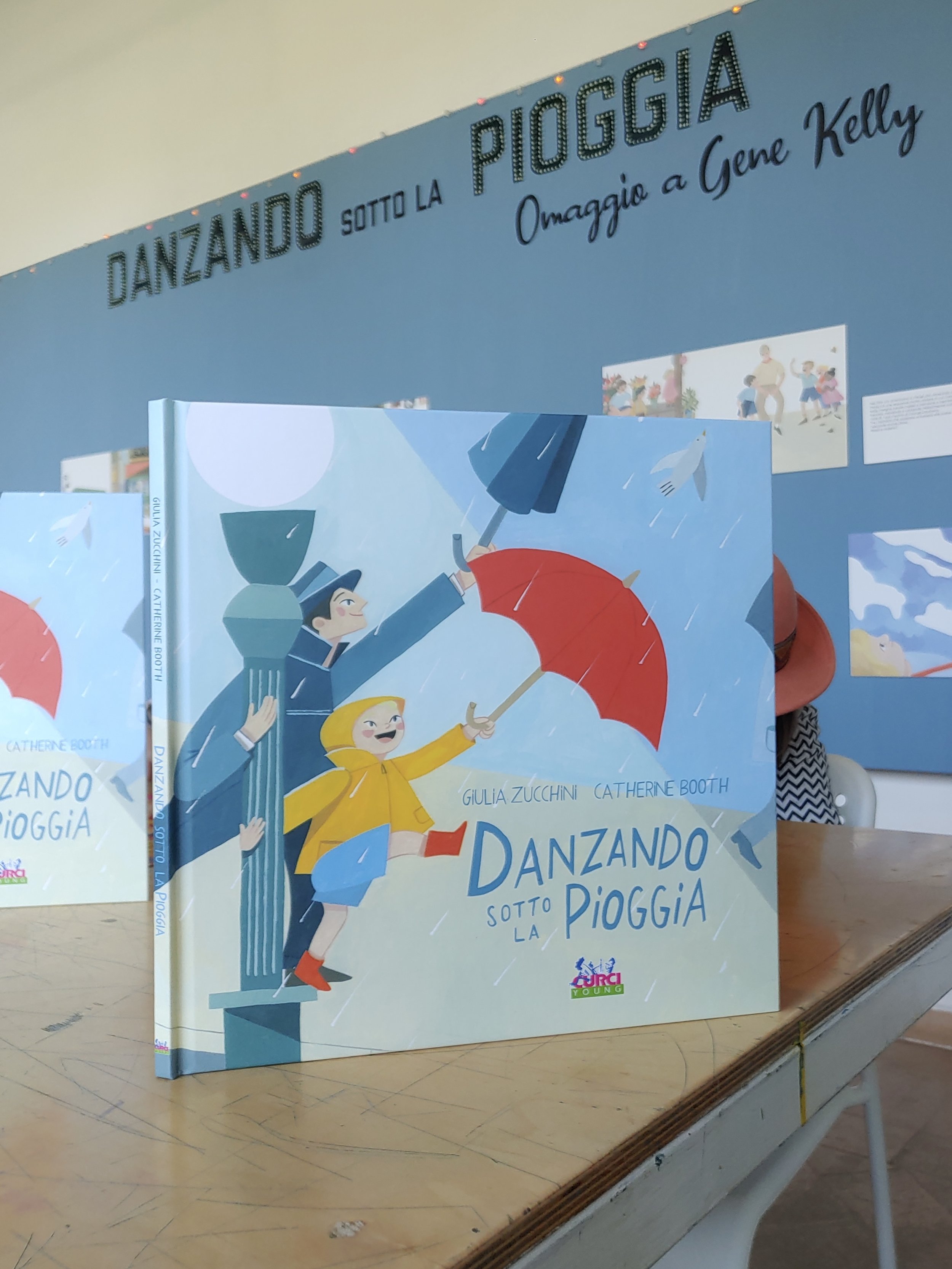
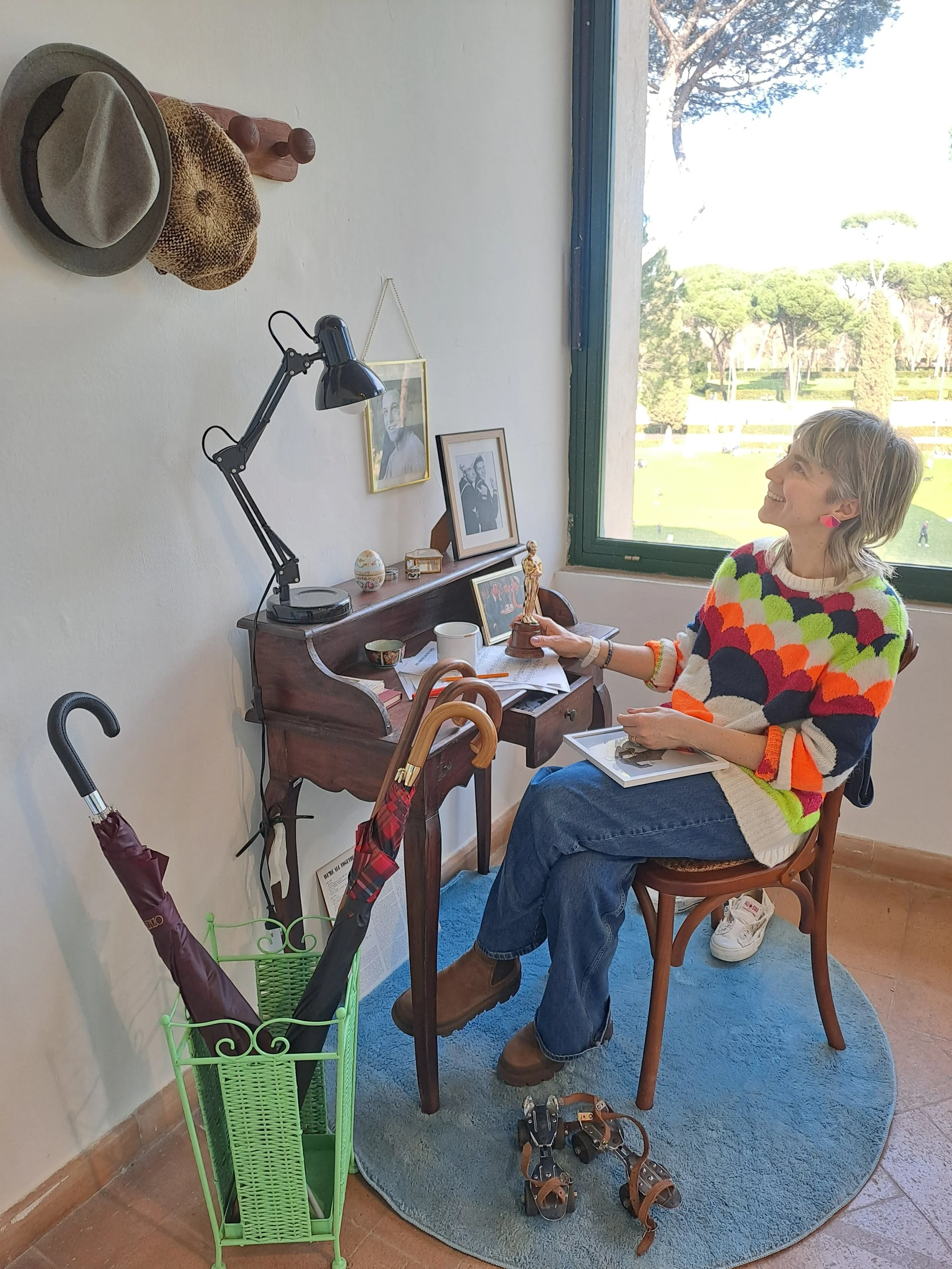
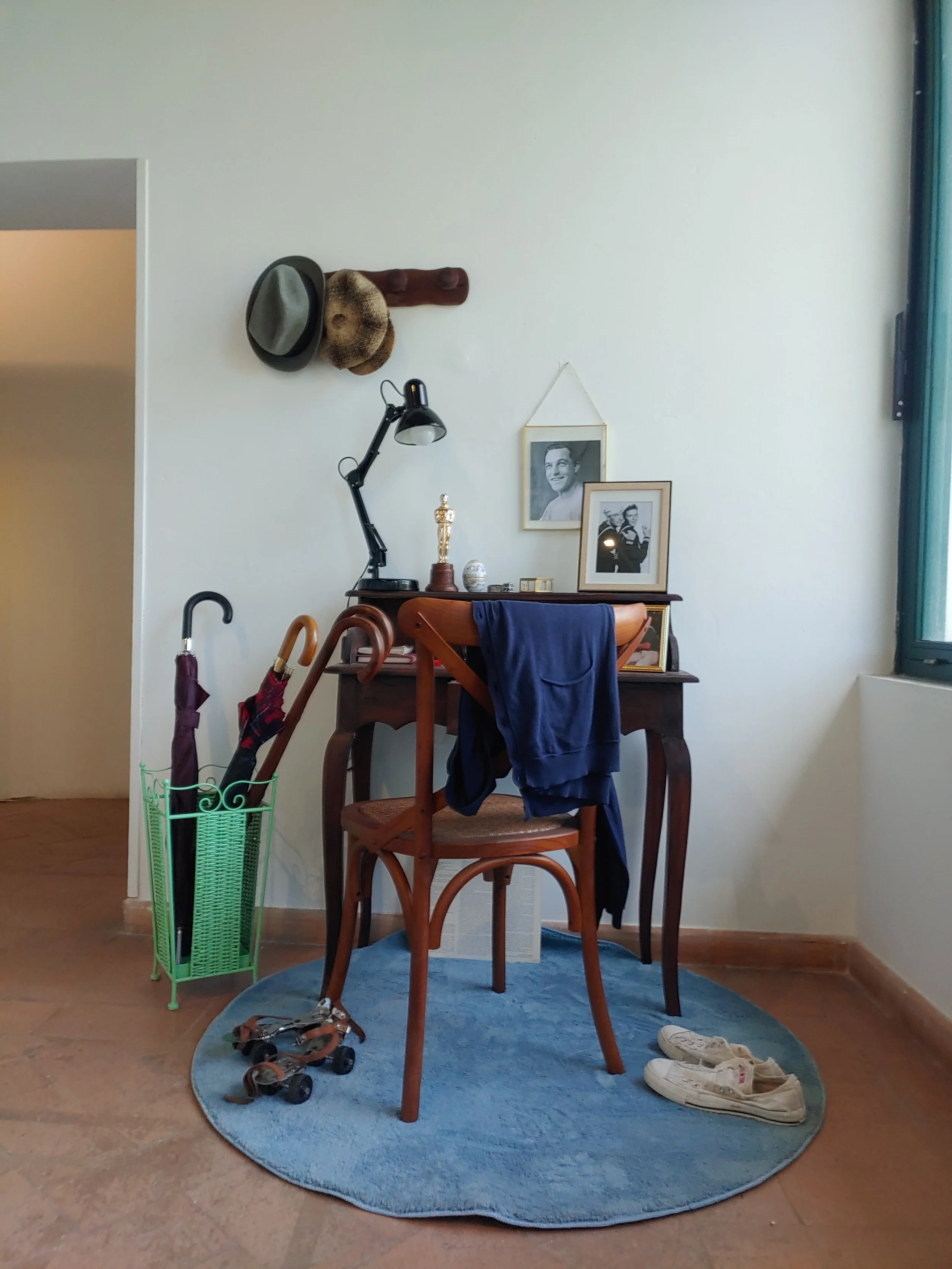
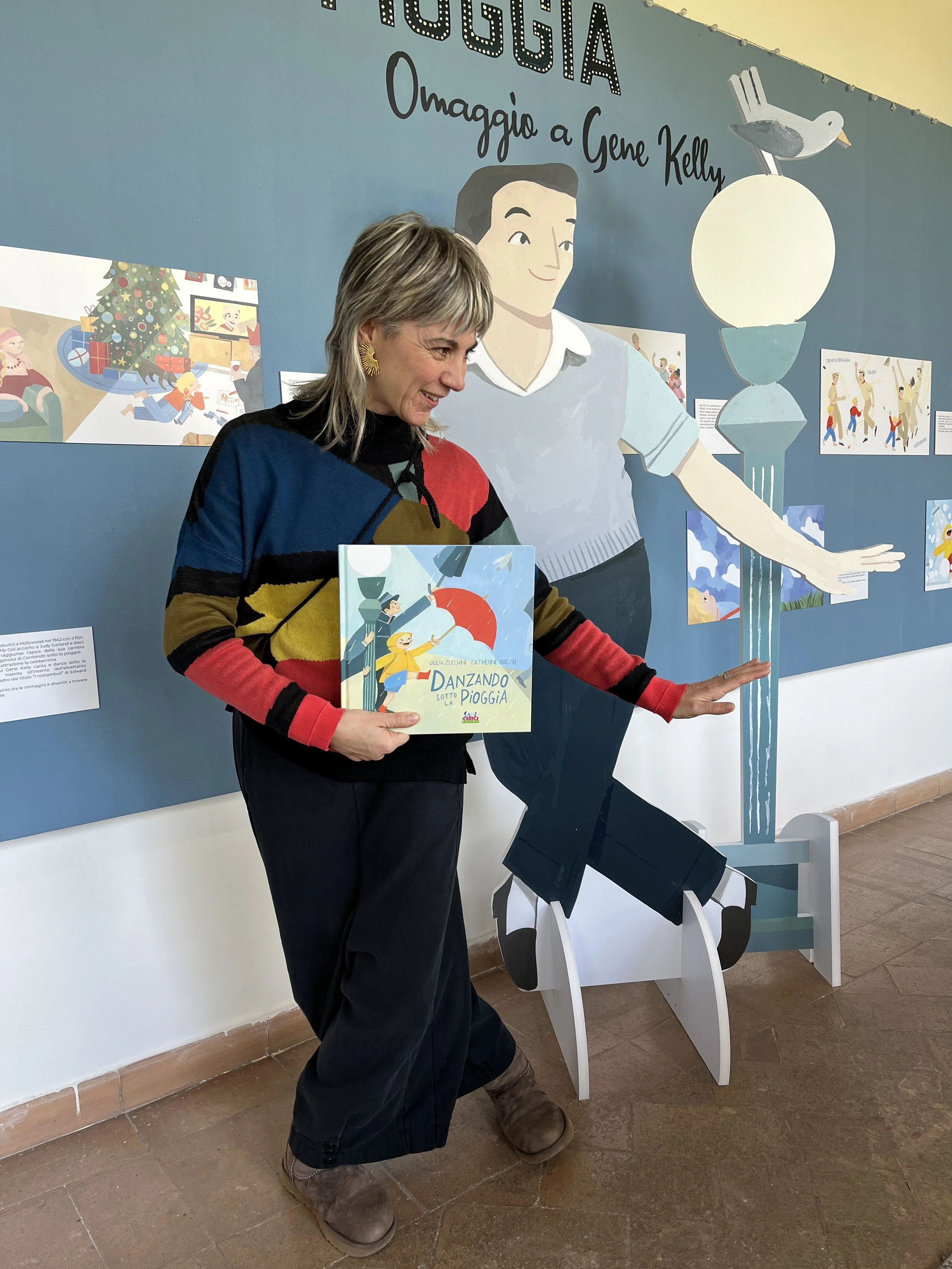
From November 2025 to February 2026, Casina di Raffaello hosted the exhibition “Dancing in the Rain – Tribute to Gene Kelly”. Although I wasn’t able to visit the exhibition in person, I had the immense joy of seeing the book I illustrated come to life in a space dedicated to art, movement and imagination, right in the heart of Villa Borghese. This post shares a look back at what these months meant for the book, for the children who experienced it, and for everyone who stepped into Gene Kelly’s world.
The exhibition was inspired by Dancing in the Rain, written by Giulia Zucchini and illustrated by me, published by Edizioni Curci. The title pays homage to the iconic 1952 film Singin' in the Rain, directed by Gene Kelly and Stanley Donen, a film that forever changed the language of dance on screen. The book begins with an unexpected encounter between the protagonist Olmo, and Gene Kelly. From that meeting unfolds a joyful, imaginative journey through dance, cinema, theatre, music and art. Through an immersive installation featuring twelve large illustrated panels, the exhibition took visitors on a journey through Olmo’s discovery of the musical world.
A Tribute to a Revolutionary Artist
Gene Kelly transformed the movie musical by bringing everyday movement onto the stage and into film. He showed us that dance is a universal language, that belongs not only to professionals, but to everyone. He leapt into puddles, danced on tables and pianos, and moved through the world with playful experimentation. That spirit of freedom and curiosity is exactly what we hoped to capture in the book, and what the exhibition so beautifully extended into a physical experience.
As Giulia writes:
“I have always considered the encounter with art, and with any cultural object and artistic language, as an opportunity to explore, read and interpret the complexity of the world and its inhabitants, but also as a chance to discover oneself, uncovering something that was previously hidden.”
Beyond the Exhibition
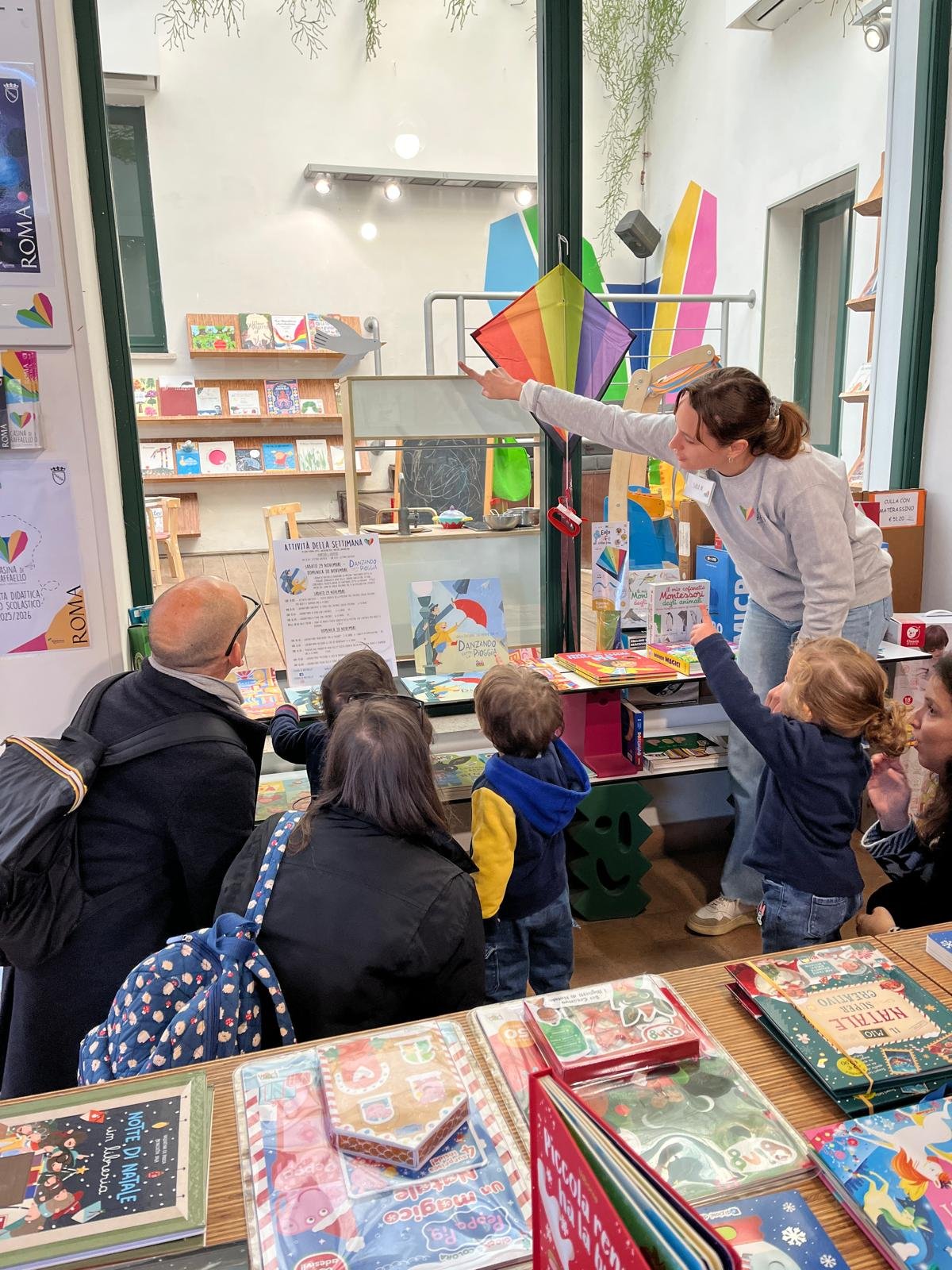
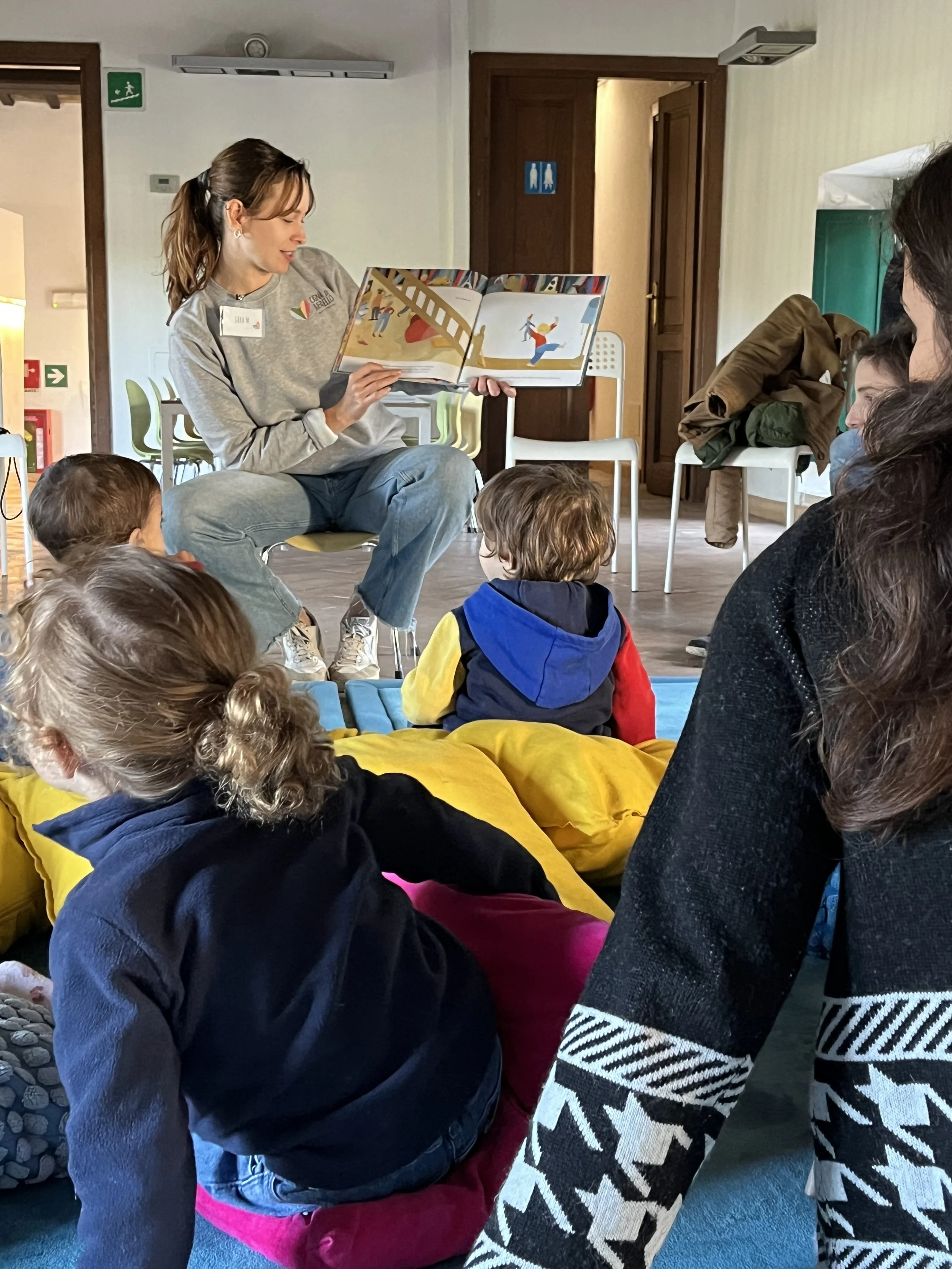
Throughout its run, schools attended from Tuesday to Friday in two morning sessions, while Sundays were dedicated to families and adult visitors. The opening itself formed part of the 15th edition of Musei in Musica, linking the project to a wider cultural celebration across the city. The workshops were designed to be interdisciplinary, performative and inclusive, encouraging children not just to look at art, but to move through it.
Dancing Through the Pages
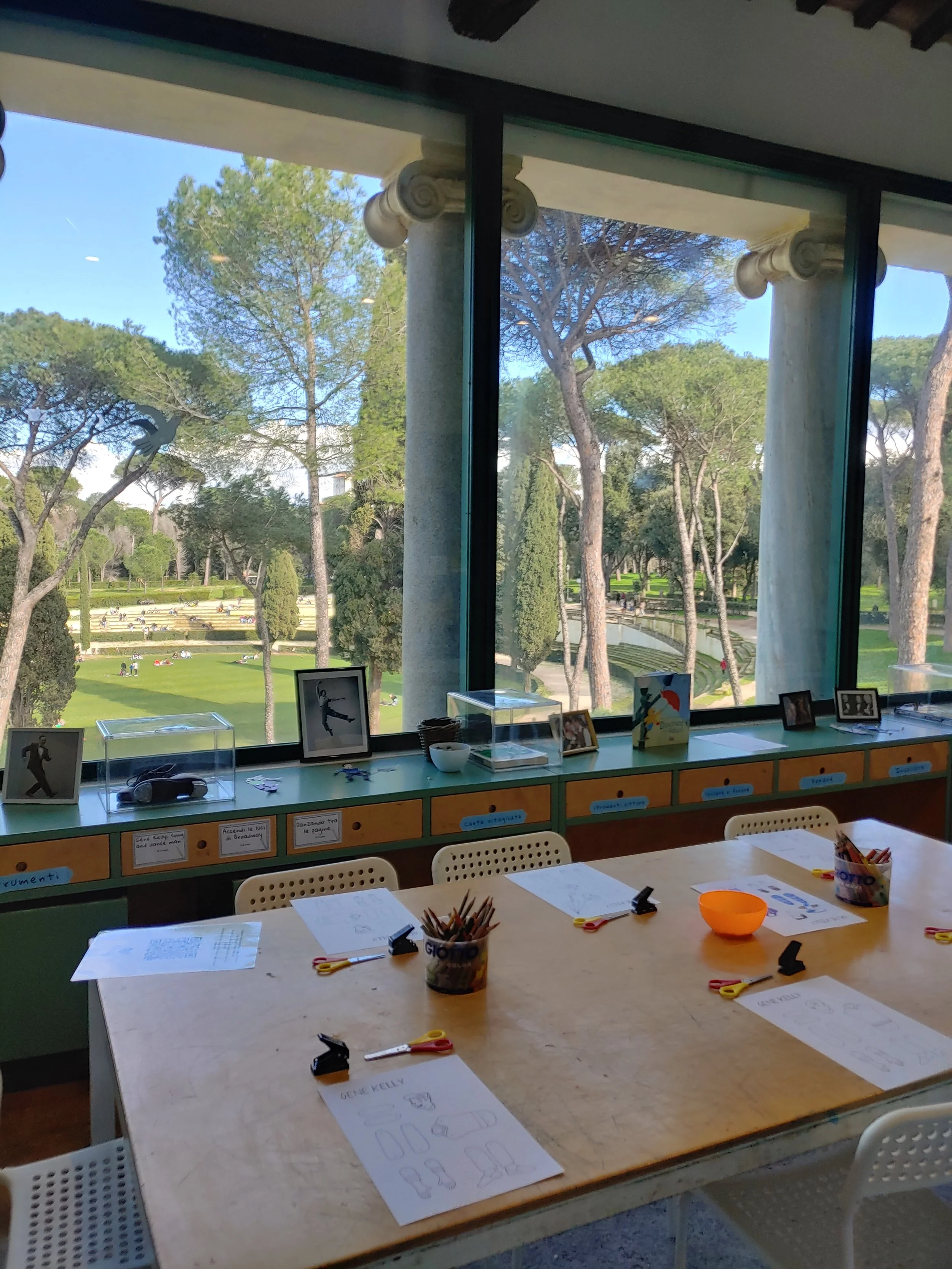
The youngest participants explored the exhibition alongside Gene Kelly and Olmo. Inspired by the famous “newspaper dance” choreography, they experimented with short body explorations before moving into the studio space to colour characters and meaningful objects from the book.
Lighting up Broadway
Children immersed themselves in the musical world and “turned on the stage lights” on a special illustrated spread inspired by Singin’ in the Rain. Through movement and making, they connected body, imagination and set design.
Gene Kelly: Song and Dance Man
Older children journeyed more deeply into Kelly’s artistic language. In this workshop, they created a paper character dedicated to the artist, a figure they could metaphorically bring “on stage,” like performers in a Broadway theatre. This workshop was about authorship, storytelling and stepping into creative identity.
Journeying into the World of Gene Kelly
This guided visit wove together the book’s narrative, Kelly’s biography and the artistic references hidden throughout the illustrations. Visitors engaged in a playful game of connections and correspondences, discovering how cinema, dance and visual art constantly inform one another.
Behind the Scenes and Beyond
Alongside the public programme, Giulia also led a professional training session for teachers, educators and cultural practitioners, using the book as a tool to explore non-stereotypical and inclusive approaches to dance and artistic language. With over twenty years of experience in museum education, she brought depth and care to the project.
Biggest thank you to all the staff at Casina di Raffaello, in particular Marco Falciano, and our publisher Edizioni Curci. Also to Patricia Ward Kelly, who supported the making of Dancing in the Rain every step of the way. And of course, to Giulia, for making the exhibition come alive!
You can check out the exhibition homepage here.
Take a look inside the book here.